
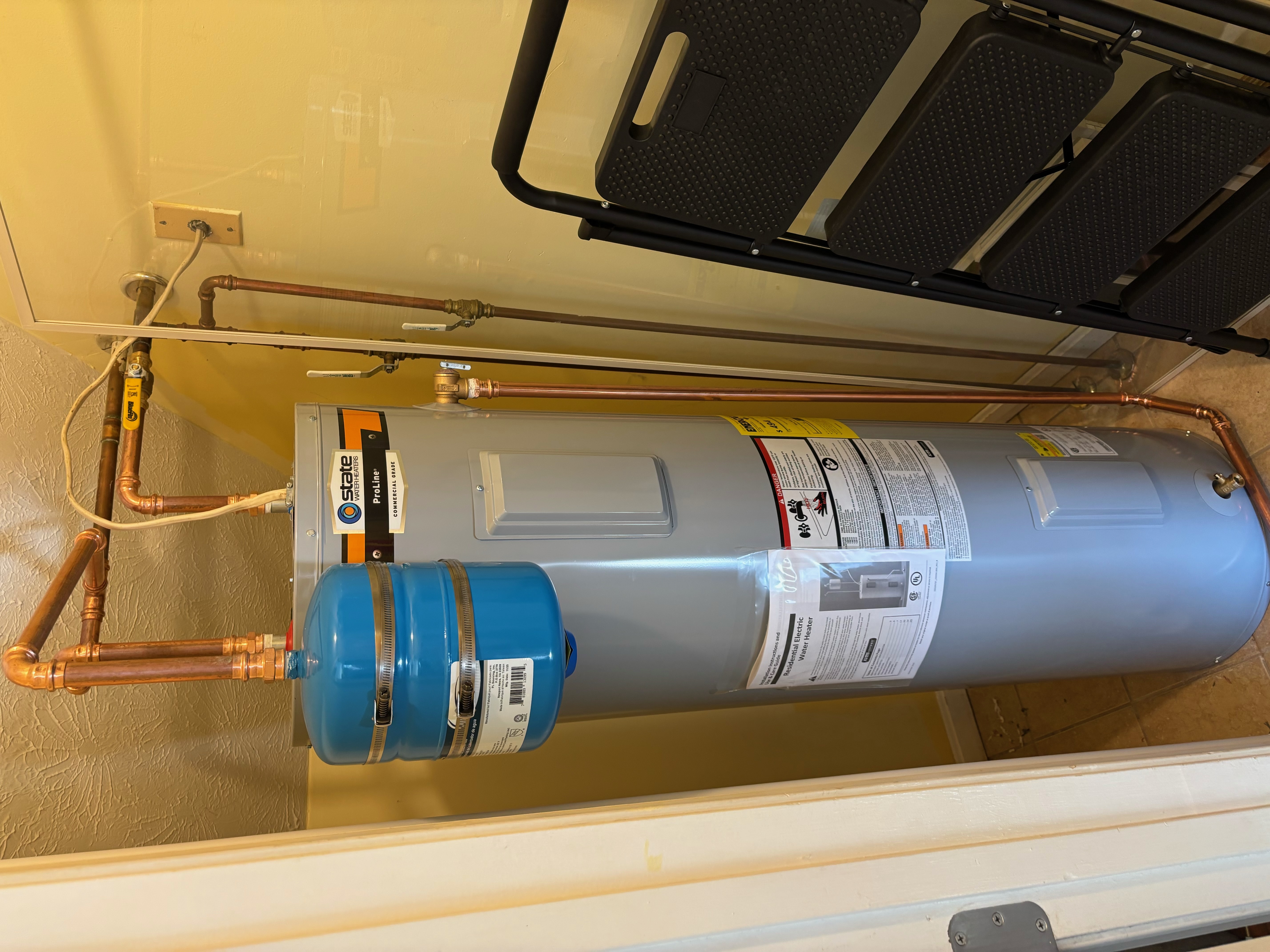
Is Water Heater Repair Worth It or Should You Replace the Unit Instead
Water heater repair in Winchester, Virginia can cost anywhere from a couple hundred dollars to a few thousand, and the right call depends heavily on the age of the tank sitting in the basement today already.
A leaking valve is not always fatal, and neither is a cold shower reported by a homeowner in Frederick County. Sometimes a single part swap solves the problem, and sometimes the unit is already too far gone to save.
This guide breaks down when repairing a water heater still makes sense, when replacement wins on cost, and why hard water in the Shenandoah Valley shortens tank life faster than in many other regions.
Key Takeaways
- Repairing a water heater can range from a modest part swap to a major fix, depending heavily on which specific part actually failed inside the tank.
- A traditional tank typically has a shorter service life than a well-maintained tankless unit, which can run for many more years with proper care.
- The 50 percent rule applies here: once repair cost passes half the price of a new unit, replacement usually wins the financial argument.
- Mineral-heavy water accelerates internal corrosion, which shortens tank life and can void some manufacturer warranties early.
- A written, itemized quote before work begins is the single most effective way for a homeowner to avoid overpaying.
- Regular flushing and an anode check catch small problems long before they turn into a costly, unexpected leak.
What Determines Whether Water Heater Repair Is Worth It?
Whether repairing a water heater makes financial sense comes down to three inputs: the age of the tank, the specific part that failed, and how that repair cost compares to the full replacement price today.
A cracked valve is rarely a crisis. Fixing it on a five-year-old tank is almost always worth doing right away. The same failure on a twelve-year-old unit is a very different financial conversation entirely.
Pricing also depends on the exact part. A heating element replacement runs meaningfully more than an anode rod swap, since that part is one of the cheapest individual components to replace inside the entire tank.
Homeowners can compare figures like these against a written quote for water heater repair in Winchester before agreeing to any repair or replacement work, since pricing varies between local contractors here.
7 Signs Your Water Heater Needs Repair Instead of Replacing
Repair costs vary widely depending on what actually failed inside the tank, from a simple part swap to a more involved fix requiring skilled labor. These signs point toward repair rather than a full replacement.
Searching for hot water heater repair near me is often the first step homeowners take once one of these signs shows up at home, though knowing what to look for first can save real time and money fast.
Rumbling or Popping Noises From the Tank
Sediment buildup is almost always the real cause behind rumbling or popping noises, not a failing heating element, and a simple flush often resolves it completely without needing any parts replaced at all.
Lukewarm Water Instead of Hot Water
A failed heating element or faulty thermostat is the usual culprit behind lukewarm water instead of hot, and it is a common, inexpensive fix on a tank otherwise still in good working condition overall.
A Pilot Light That Keeps Going Out
A faulty thermocouple, the small safety sensor that keeps the gas valve open, is the usual reason a gas unit's pilot light keeps going out, and it is a low-cost part swap, not a sign the tank needs replacing.
Minor Water Pooling Near the Base
A loose fitting or a failed drain valve is usually behind small puddles of water near the base, and both are simple, affordable repairs compared to a full tank replacement job for most Winchester homeowners.
A Tripped Pressure Relief Valve
A quick, inexpensive fix on its own, a tripped pressure relief valve should still never be ignored, since this small valve protects the entire tank from dangerous pressure buildup inside the unit itself.
The Tank Is Under 8 Years Old
Age matters more than the symptom itself here. A tank under 8 years old rarely needs a full replacement over a single failure, since most issues on a younger unit are isolated parts, not systemic decline.
Only One Component Has Ever Failed
A single failure on an otherwise reliable unit rarely justifies a full replacement right away, especially when the repair cost stays well under the price of a brand new tank installation for most homes today.
Read More About: Why Your Energy Bills Spike in Summer, and How to Fix It
How to Avoid Overpaying on a Water Heater Service Visit
A homeowner cannot control which part fails first on an aging tank today. These five steps control how much that failure ends up costing once fees, labor, and part sourcing are all added to the final bill.
Step 1: Get the Diagnostic Fee in Writing First
Ask what the service call fee actually covers before a technician even opens the access panel on the tank. This one question alone prevents most of the bill shock homeowners report after a repair visit.
Step 2: Request an Itemized Quote for Everything
A written quote that separates part cost from labor cost makes markup easy to spot at a glance. It also gives a homeowner something solid to compare against a second opinion, if one starts to feel necessary.
Step 3: Compare Quotes for Non-Emergency Repairs
If the tank still produces some hot water and the home is not at real risk of flooding, a second quote for anything beyond a simple part swap is almost always worth the short extra delay involved here.
Step 4: Confirm the Tank's Age Before Approving Work
Confirm the age of the tank before approving any repair over a few hundred dollars on the spot today. A unit already past ten years old changes the math on whether repair is even worth pursuing at all.
Step 5: Keep Up With an Annual Sediment Flush
A yearly sediment flush keeps the tank running efficiently and catches a failing anode while it is still cheap to replace, long before it turns into a leak that damages the surrounding flooring below today.
The same seasonal logic applies each fall, when a furnace and heating system check catches small issues before winter demand turns them into a much bigger, far more expensive repair bill for a homeowner.
Not Sure What a Fair Repair Quote Should Look Like? Our technicians walk you through the diagnosis and the price before any work begins on your tank. No surprise fees get added after the fact, so you always know exactly what a repair will actually cost. |
Common Mistakes Homeowners Make With an Aging Water Heater
Small missteps at the start of a repair call often turn a manageable bill into a genuinely expensive one for a homeowner today. Most of them are easy enough to avoid once someone knows what to watch for.
A professional water heater installation on an aging tank often costs less over the long run than repeated repairs stacked on top of a unit already well past its expected lifespan and headed for full failure soon.
Ignoring the Math on an Aging Tank
Ignoring the replacement math is the costliest mistake on this list. Paying to fix a 12-year-old water heater that could easily fail again within a year rarely beats putting that same money toward a newer, more efficient unit.
Skipping the Anode Check Entirely
An unchecked anode lets corrosion attack the tank lining itself, which is exactly what turns a cheap, simple part swap into a full tank replacement, years earlier than it should have ever needed to happen.
Never Flushing Sediment in Mineral-Heavy Areas
Never flushing sediment in mineral-heavy areas leaves homes on well water or municipal supplies with high mineral content needing far more frequent flushing than the standard once-a-year recommendation allows for.
Read More About: Common Winter HVAC Issues Homeowners Face, and How to Avoid Them
Expert Tips to Extend a Water Heater Lifespan in Winchester
In our experience servicing hot water heaters across Winchester, Frederick County, and the West Virginia panhandle, homeowners who spend the least over time are rarely the ones who skip water heater maintenance.
"The sediment has been sitting at the bottom of the tank, helping to seal any corrosion or small holes. Disturbing it can dislodge that buildup, potentially causing leaks," says Michelle Law, apprentice plumber at Blue Frog Plumbing and Drain, in a guide published by Family Handyman.
Test the Pressure Relief Valve Twice a Year
Twice a year is the right cadence. Lift the pressure relief valve's lever briefly and listen for a release. A valve that fails to reseat properly is a common cause of a sudden leak on an otherwise healthy tank.
Keep a Written Record of Past Repairs
A written repair log helps a technician spot patterns a single visit never could, instead of quietly replacing the same part more than once on the same unit without ever fixing the actual root cause.
Ask If a Technician Regularly Services Your Brand
Brand familiarity saves labor time on the visit itself. A technician unfamiliar with a less common tank brand or fuel type may take longer to diagnose the actual problem behind any given failure today.
Is a Tankless Water Heater Cheaper to Repair Than a Tank?
A traditional tank water heater typically has a shorter overall service life than a tankless model, which can keep running for many more years with proper annual maintenance and a yearly descaling flush performed on schedule.
That longer lifespan is part of the real value of a tankless system, even though the upfront installation cost runs higher than a standard tank. The table below breaks down when each option wins overall.
As a general rule of thumb, a single, isolated failure on a younger tank, with a repair estimate under half the price of a brand new unit, is almost always worth fixing instead of replacing it entirely.
|
Factor |
Tank Water Heater |
Tankless Model |
|
Typical lifespan |
Shorter overall |
Longer overall |
|
Upfront cost |
Lower installation cost |
Higher installation cost |
|
Sediment risk |
Higher, needs yearly flush |
Lower, needs yearly descale |
|
Repair cost |
Varies by failed part |
Similar range per repair |
|
Best for |
Budget-focused households |
Long-term cost savings |
Not Sure If Repair Still Makes Sense for Your Water Heater? We will give you a straight, honest answer on repair versus a full water heater replacement based on the age and condition of your tank, not a generic up-sell pitch built for every single caller who calls. |
A full water heater replacement costs more upfront on a tankless model. That math matters. It is exactly why the numbers above should decide either option for an older Winchester home built decades ago.
Conclusion
Water heater repair rarely comes down to one simple bill. The age of the tank, the failed part, and the labor rate all shape the final price a homeowner pays, no matter how straightforward the initial estimate might first appear.
Small Solutions Heating and Air Conditioning specializes in transparent, itemized water heater pricing for homes across Winchester and Frederick County, not vague guesswork handed over at the door today.
Asking for a written quote and knowing when a tank has crossed from repair into replacement territory are the two habits that keep any water heater bill reasonable, year after year in this region long-term.
Every winter, homeowners across the region call Small Solutions Heating and Air Conditioning for a straight answer, not just an invoice. For a clear diagnosis before the next cold snap hits, reach out to our team today.
Frequently Asked Questions
How much does water heater repair typically cost each visit?
Repairing a water heater can cost anywhere from a minor part swap to a bigger repair, depending on what actually failed inside. Price also depends on the brand, and whether the tank is under warranty.
How do you know if a water heater needs repair or replacing?
A water heater usually needs replacing rather than repairing once the repair cost passes half of a brand new unit's price, or once the tank is a decade or more old, with repeated failures each winter.
Who fixes water heaters, a plumber or an HVAC technician?
Both plumbers and HVAC technicians repair water heaters, though many homeowners call a plumber first for gas or tankless units and an electrician for issues tied to an electric heating element inside.
How often should a water heater get flushed each winter?
A water heater should get a tank flush at least once per year, and more often in mineral-heavy water areas. Skipping this task lets sediment build up, which shortens tank life and raises energy costs.
Is a tankless model worth the extra cost upfront overall?
A tankless model costs more upfront but can last significantly longer than a standard tank overall. The extra cost often pays for itself through a longer, more reliable service life for many families.
Author Bio
Small Solutions Heating and Air Conditioning is a certified Mitsubishi Diamond Contractor serving Winchester, Virginia and the surrounding Northern Shenandoah Valley into West Virginia. Specializing in ductless mini-split systems, heat pumps, boilers, and 24/7 emergency HVAC repair, the team brings manufacturer-level expertise to every installation and service call.