Why Schedule a Fall Furnace Tune-Up Before Cold Weather?
Quick Summary: The end of September is an ideal time to schedule a fall furnace tune-up because it gives your heating system attention before the first sustained cold spell arrives. A professional visit can help identify wear, safety concerns, airflow problems, and efficiency issues while there is still time to make repairs without the stress of a no-heat emergency.
In the Top of Virginia and West Virginia Panhandle, cool mornings can arrive quickly—and homeowners often do not discover a heating problem until the first night they need dependable warmth. Scheduling maintenance now is a practical way to prepare your home, protect comfort, and reduce the chance of an inconvenient breakdown later in the season.
Why Late September Is a Smart Time for Heating Maintenance
Once the weather turns cold, HVAC schedules tend to fill quickly with urgent calls. By arranging heating maintenance before the season is in full swing, you have more flexibility to address anything the technician finds, whether that means replacing a worn component, improving airflow, or planning a larger repair.
A fall visit also gives you time to test the system under normal conditions. Rather than waiting for a freezing night to find that the furnace is blowing cool air, cycling on and off, or struggling to reach the thermostat setting, you can start the season with more confidence.
For homeowners in Winchester, Frederick County, Clarke County, Berkeley County, and Jefferson County, that timing matters. Temperatures can change rapidly in the fall, and a dependable heating system is central to a comfortable home.
What a Professional Furnace Tune-Up Can Catch
A heating system may appear to be working while still developing problems that affect performance, energy use, or reliability. During a seasonal service appointment, the Small Solutions Heating and Air Conditioning team can inspect key system components, check operation, and look for signs that deserve attention before they become larger repairs.
Depending on your equipment, maintenance may include checking electrical connections, inspecting the blower and air filter, evaluating thermostat operation, confirming safe startup and shutdown, and reviewing system performance. For gas furnaces, safety-related components and combustion concerns deserve particular care. For heat pumps, a fall maintenance visit can help ensure the system is ready for its heavier winter workload.
The goal is not simply to turn the equipment on. It is to identify small issues early, help the system operate as intended, and give homeowners clear information about their options.
Warning Signs You Should Not Ignore
If you have noticed an issue already, do not wait for a routine appointment to become an emergency. Contact a qualified HVAC professional if your system has any of these symptoms:
- Cool air or weak airflow when the heat is running
- Frequent cycling on and off
- Unusual banging, rattling, squealing, or burning odors
- Rooms that stay noticeably colder than the rest of the house
- A sudden increase in energy bills without a clear explanation
- Difficulty maintaining the temperature set on the thermostat
- A system that has been unreliable in past winters
These symptoms do not always mean the system needs to be replaced. Sometimes the solution is a straightforward repair or adjustment. The important thing is to have the cause diagnosed rather than hoping it resolves itself when winter arrives.
Simple Steps Homeowners Can Take Before the Appointment
Professional maintenance is the most important step, but a few homeowner tasks can support efficient operation between visits. First, check the air filter. A clogged filter restricts airflow, makes the equipment work harder, and can contribute to uneven temperatures. Follow the manufacturer’s guidance on filter type and replacement intervals.
Next, make sure vents and returns are open and unobstructed by rugs, furniture, or stored belongings. Good airflow is essential for comfortable, balanced heating. It is also a good time to test your thermostat, replace batteries if needed, and confirm that your preferred schedule is set for cooler weather.
If you use a heat pump, avoid making dramatic thermostat changes throughout the day. Consistent settings are often more efficient and can help the system maintain comfort without working unnecessarily hard. If you are unsure how to operate your system effectively, Small Solutions Heating and Air Conditioning can provide practical guidance during your service visit.
Maintenance Helps Protect Comfort and Your Budget
No maintenance visit can guarantee that a component will never fail, but preventative service can reduce avoidable strain and uncover developing problems earlier. That can mean more time to consider repair choices, avoid rush decisions, and schedule work at a convenient time.
Efficiency is another reason to plan ahead. When filters are clogged, airflow is restricted, or system components are not operating correctly, heating equipment may use more energy to deliver the same comfort. Addressing those concerns before the coldest months may help your system run more smoothly through the season.
Small Solutions Heating and Air Conditioning also offers service agreements designed to help homeowners stay on track with routine maintenance and receive priority support. For busy households, having a regular plan can make seasonal HVAC care easier to remember and easier to manage.
When to Consider Repair, Replacement, or an Upgrade
If your furnace or heat pump is older, has needed repeated repairs, or no longer keeps your home comfortable, fall is an excellent time to have an honest conversation about next steps. Replacement is not automatically the right answer, but it may be worth evaluating when repair costs continue to add up or the system no longer meets your needs.
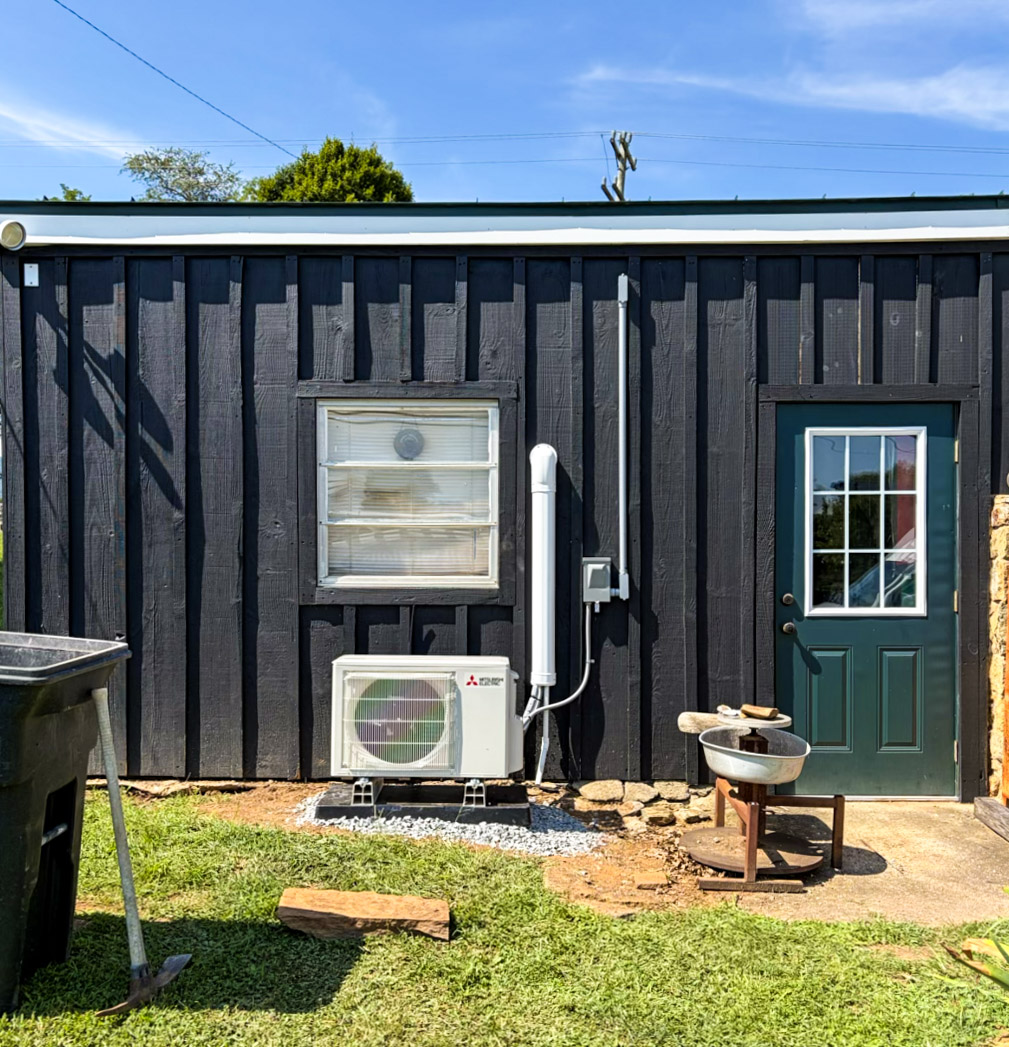
Today’s options may include high-efficiency heat pumps, ductless Mitsubishi systems for additions or difficult-to-condition rooms, and equipment choices that better fit the layout of an older home. Small Solutions Heating and Air Conditioning can explain the practical differences, discuss installation considerations, and help you make a decision based on comfort, reliability, and budget—not pressure.
FAQ
When should I schedule my furnace tune-up?
Early fall is generally the best time. Scheduling in late September or October gives you an opportunity to address issues before colder weather creates higher demand for heating repairs.
Do heat pumps need fall maintenance too?
Yes. Heat pumps provide both heating and cooling, so regular service is important before the heating season. A professional can check performance and help ensure the system is ready for colder temperatures.
How often should I change my HVAC filter?
It depends on the filter, your household, pets, allergies, and system use. Many homes benefit from checking the filter monthly and replacing it as needed according to the manufacturer’s recommendations.
What if my furnace is making a new noise?
New or persistent noises should be evaluated. Rattling, squealing, banging, or other unusual sounds can point to a loose, worn, or failing component that is better addressed before winter.
Can I get help if my heat stops working after hours?
Yes. Small Solutions Heating and Air Conditioning provides 24/7 emergency service for homeowners across the Top of Virginia and the West Virginia Panhandle when urgent heating issues cannot wait.
Scheduling fall maintenance now is one of the simplest ways to head into winter prepared. Whether your home uses a furnace, boiler, heat pump, or ductless system, Small Solutions Heating and Air Conditioning is ready to help you maintain dependable comfort with clear communication and professional service.