
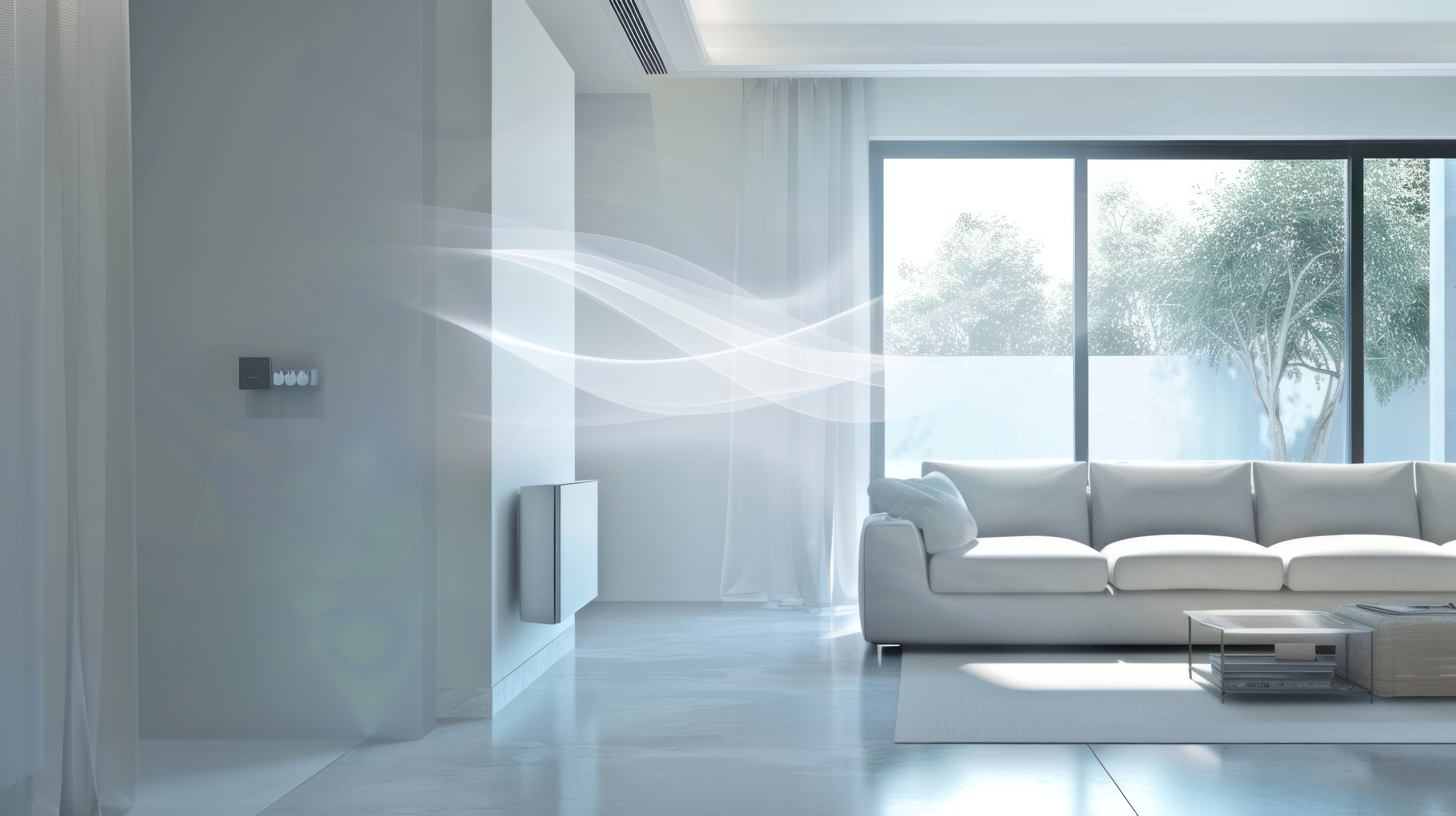
The Importance of Indoor Air Quality During Flu Season
Maintaining the quality of the air inside our homes and workplaces is crucial, especially during flu season. The U.S. Environmental Protection Agency states that we spend nearly 90% of our time indoors, where pollutant levels can be two to five times higher than those found outside. This can significantly impact how illnesses spread and how we recover when we’re sick.
Sources of Indoor Pollutants
Indoor air contaminants stem from various places. The most common include biological pollutants like viruses, mold spores, bacteria, pollen, pet dander, and dust mites. Chemicals from carbon monoxide, radon, and volatile organic compounds (VOCs) present in cleaning products, paints, furniture, and construction materials also contribute to poor air quality.
Daily activities, such as cooking and heating, can stir up these particles. Without adequate ventilation or air filtration systems, these pollutants are trapped and recirculated indoors.
Health Impacts of Poor Indoor Air Quality
Exposure to contaminated indoor air can lead to numerous health problems. In the short term, you might experience irritation of the eyes or throat, dizziness, fatigue, or headaches. Over a prolonged period, these pollutants pose serious risks, contributing to respiratory diseases, heart issues, and potentially leading to cancer.
During colder months, when we stay indoors even more, poor air quality can aggravate flu symptoms or increase susceptibility to viral infections. Fine particles can inflame the respiratory system, weakening our body’s ability to fight off infections.
The Value of Air Quality Testing
Testing the air quality in your home is a proactive step to understand what you’re breathing daily. This process measures concentrations of key pollutants, including mold, pet dander, carbon monoxide, dust mites, and VOCs. It identifies specific pollutants present, allowing homeowners to address them effectively, such as confirming if mold is affecting health concerns or allergies.
The Necessity of Regular Filter Maintenance
Air filters in HVAC systems capture pollutants before they spread through your home. When filters are clogged, their efficiency decreases, allowing more contaminants through and straining the system. It's generally recommended to check or replace filters every one to three months, based on system type, household size, and presence of pets.
The Role of Duct Cleaning
Air ducts accumulate dust, pet hair, allergens, and occasionally mold. If your HVAC system circulates these particles, it can further degrade air quality. Routine duct cleaning is essential, especially if mold is detected, pests are present, or large dust deposits are visible. Clean ducts contribute to healthier air and more efficient system performance.
Managing Indoor Humidity
Optimal humidity levels range from 30% to 50%. High humidity can encourage mold and dust mite growth, while low humidity can dry nasal passages, making it easier for viruses to spread. In areas with significant seasonal changes, using humidifiers or dehumidifiers can help maintain balanced humidity levels, improving comfort and reducing biological pollutants.
Exploring Air Purification
Air purifiers provide added defense by trapping particles that pass through standard filters. HEPA filters are particularly useful in capturing allergens and certain bacteria. Although they can't replace ventilation and regular maintenance, they are effective in reducing airborne pollutants.
Essential Ventilation Practices
Good ventilation introduces fresh air into homes, diluting indoor pollutants and supporting respiratory health. Viruses like the flu spread mainly through droplets from coughs and sneezes, which are more likely to linger in stagnant air. Enhancing airflow with HVAC adjustments, open windows, or exhaust fans can mitigate this risk.
Everyday Practices for Better Air Quality
Simple habits can greatly improve indoor air quality. Avoid smoking indoors to reduce harmful chemicals, use exhaust fans during cooking to vent heat and fumes, opt for milder cleaners, and regularly vacuum with a HEPA-filtered vacuum to capture dust and allergens.
With flu season highlighting the impact of indoor environments on health, maintaining clean air helps prevent virus spread and manage chronic respiratory issues. By testing air quality, managing filters, improving ventilation, and controlling humidity, homeowners can ensure a healthier, more comfortable living space.
Need a shorter version, a meta description, or additional content? Just let me know!