
Signs Your AC Needs Repair Before It Breaks Down
What Does It Mean For an AC to Need Repair?
AC repair means a certified technician identifies and fixes a problem that's causing your system to run poorly, lose efficiency, or fail entirely. This can include refrigerant leaks, failing motors, clogged drain lines, electrical faults, or dirty coils. Catching problems early means repairs stay manageable. Left alone, most AC problems get worse over time and eventually cause the system to stop working altogether.
Warm or Weak Airflow From Your Vents
This is usually the first thing homeowners notice. You walk past a vent and the air barely feels cool, or it's coming out so weakly you can hardly feel it at all.
Weak airflow most often means the compressor is starting to struggle. The compressor is what drives refrigerant through the system. When it starts to wear out, the whole system loses its ability to cool air properly.
Warm air with normal airflow often means your refrigerant level is low. And low refrigerant doesn't happen on its own - it means there's a leak somewhere. Your system needs the correct refrigerant charge to work. Without it, you're getting hot air instead of cold.
So what should you check yourself first?
- Pull your air filter out and look at it. A filter clogged with dust and debris can cut your airflow significantly on its own.
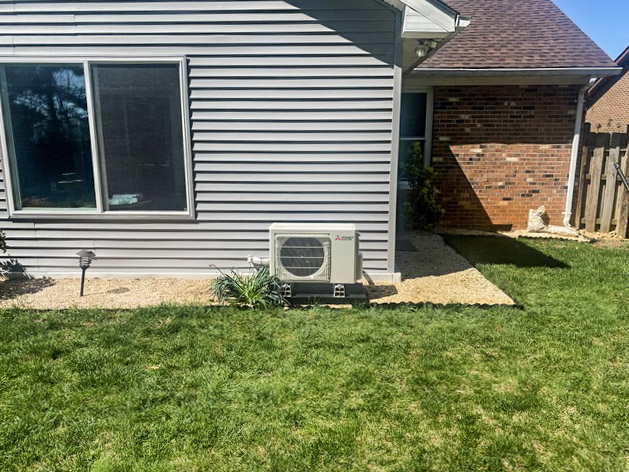
- Make sure your outdoor condenser unit isn't blocked by leaves, grass clippings, or debris.
- Check that all your vents are open and nothing is sitting right in front of them.
If those things all look fine and you're still getting weak or warm air, it's time to have someone take a proper look. Our air conditioning repair team in Winchester runs a full system diagnostic on every visit so we know exactly what we're dealing with before any work starts.
|
Not sure if weak airflow is a filter issue or something more serious?
|
Why is My AC Running But Not Cooling My House?
Your AC can run without actually cooling your home when refrigerant is low, the compressor is struggling, or the evaporator coil is frozen or dirty. It can also happen if the system is too small for the space it's trying to cool. A technician can identify which of these is happening in a single diagnostic visit. Running a system that isn't cooling properly for weeks often turns a small repair into a much bigger one.
Strange Noises You Haven't Heard Before
A well-running AC is quiet. You hear it click on, you feel the airflow, and that's about it.
So when something new starts - a grinding sound, a banging, a hissing - pay attention. These aren't sounds to put off until next week.
Here's a quick guide to what different noises usually mean:
|
Sound |
What It Likely Means |
|
Grinding or scraping |
Worn motor bearings - needs attention soon |
|
Banging or clanking |
A loose or broken part inside the unit |
|
Squealing |
Belt slipping in older units, or motor bearing issue |
|
Hissing or bubbling |
Refrigerant leak |
|
Clicking at startup or shutdown |
Electrical relay issue |
|
Rattling |
Loose panel, debris, or loose fasteners |
Some of these are minor. A loose panel takes a few minutes to fix. But a grinding motor bearing that gets ignored for a month often becomes a seized motor, which is a much more involved repair.
The hissing or bubbling sound deserves specific attention. That sound almost always means refrigerant is escaping somewhere in the system. Refrigerant leaks don't seal themselves, and EPA regulations require certified technicians to handle refrigerant repairs. Don't wait on that one.
Read More About: Summer Storms & HVAC Protection: What Homeowners Should Know
Smells Coming Through Your Vents
Your AC shouldn't have a smell. At all. When it does, that's a signal worth taking seriously.
Musty or mildew smell: This is the most common one we see in Winchester homes, especially heading into late spring and summer. It usually means moisture is sitting somewhere it shouldn't - on the evaporator coil, in the drain pan, or inside the ductwork. Mold and mildew grow fast in those conditions, and once they do, the smell circulates every time the system runs.
Burning or electrical smell: This needs same-day attention. It can point to an overheating motor, a failing capacitor, or a wiring issue. If you smell something burning coming from your vents or outdoor unit, turn the system off and call. Don't run it.
Rotten egg smell: This is less likely to be your AC directly and more likely a gas issue somewhere nearby. Either way, treat it as urgent.
Given Winchester's humid summers, an annual ac cleaning service does a lot to prevent musty smells from developing in the first place. Coil cleaning, drain line flushing, and proper maintenance keep organic buildup from getting established inside the system.
Why does my AC smell musty when it turns on?
A musty smell usually means mold or mildew has grown on the evaporator coil or inside the ductwork. This often develops when a system sits unused over winter and moisture isn't fully drained. A professional coil cleaning and drain line flush typically clears it up. If the smell comes back after cleaning, a ductwork inspection is the next step to find where the moisture is coming from.
Water Leaking or Ice Forming on the Unit
Some condensation around your outdoor unit is perfectly normal on a humid day. But water dripping inside your home near the air handler, or pooling on the floor around your indoor unit - that's a different situation entirely.
Your AC pulls moisture out of the air as it cools. That water collects on the evaporator coil and drains through a condensate drain line. When that line gets clogged - which happens often in our area because of humidity and organic buildup - water backs up and has nowhere to go except onto your floor or into your walls.
Left alone, a backed-up drain line can cause real water damage and mold growth inside your home.
Also watch for these:
- Ice on your refrigerant lines or on the outdoor unit
- A frozen evaporator coil (you may notice reduced airflow before you see the ice)
- Water stains appearing on the ceiling or wall near your air handler
If you see ice on your system, turn it off right away. Let it thaw completely before turning it back on, and call for hvac repair in Winchester before running the system again. A frozen system puts serious strain on the compressor, and running it in that state can cause real damage.
|
Water around your AC unit or ice on the lines?
|
Short Cycling - Your AC Turns On and Off Every Few Minutes
A normal AC cycle runs roughly 15 to 20 minutes. If your system is turning on, running for 3 or 4 minutes, shutting off, then starting up again almost immediately - that's called short cycling, and it's a problem.
Every time your system starts up, it puts a surge of stress on the compressor. A healthy system does that 8 to 10 times a day. A short-cycling system might do it 20 to 30 times. That adds up fast in terms of wear.
What causes it?
- Low refrigerant charge
- A dirty or frozen evaporator coil
- An oversized AC unit that cools the space too quickly and cuts out before completing a proper cycle
- A failing thermostat that sends incorrect signals to the system
- An electrical issue in the control board
Some of these are straightforward fixes. Others - particularly an oversized unit - are harder to address because the root cause is that the system was never properly matched to the home in the first place.
Our air conditioning specialists in Winchester use proper load calculations on every new installation so the system is sized correctly for the actual home. If you're experiencing short cycling on a relatively new system, it's worth having someone check whether sizing was part of the issue.
How Do I Know if My AC is Short-Cycling?
Stand near your thermostat and time how long your system runs before it shuts off. If it's consistently shutting off within 5 minutes without reaching your set temperature, that's short cycling. You'll often notice your home feels more humid than usual too, because short cycles don't run long enough to pull adequate moisture out of the air. Both issues together are a clear sign something needs attention.
Energy Bills Going Up for No Clear Reason
Your routine hasn't changed. The weather is roughly similar to last year. But your electric bill is noticeably higher than it was a few months ago.
This happens when your AC system is working harder than it should to achieve the same result. It has to run longer, and that longer runtime shows up directly on your bill.
Common causes include:
- A clogged air filter restricting airflow and making the system strain
- A dirty evaporator or condenser coil reducing heat transfer
- Low refrigerant forcing the compressor to run longer
- Worn electrical components like capacitors or contactors that aren't performing properly
- Duct leaks letting conditioned air escape before it reaches your rooms
The U.S. Department of Energy notes that AC systems can lose a meaningful portion of their efficiency each year without proper maintenance. That efficiency loss doesn't feel dramatic day to day, but it builds up - and so does the cost.
Good ac maintenance in Winchester addresses all of these before they become expensive. If your bills have jumped noticeably this season, a tune-up is often the fastest way to find out what's dragging the system down.
|
High energy bills without a clear reason?
|
Your Home Feels Humid Even With the AC Running
Your AC has two jobs. It lowers the temperature, and it removes humidity from the air. When it stops doing the second job, your home feels sticky and uncomfortable even when the thermostat reads 72.
High indoor humidity with a running AC usually means one of a few things. The refrigerant level is low. The evaporator coil is dirty or frozen. Or the system is oversized and cycling off before it has enough run time to properly dehumidify the air.
You'll notice it in a few ways:
- Condensation on your windows
- A clammy feeling in rooms that are technically at the right temperature
- Musty smells that keep coming back no matter how often you clean
- Wood floors or furniture that feels slightly damp
Persistent indoor humidity is also a setup for mold growth, which becomes a health issue over time. Brian Marple, our Indoor Air Quality Specialist here at Small Solutions, works with Winchester homeowners on exactly this kind of situation - where the temperature is fine but the air quality isn't.
If this has been going on for more than a few weeks, it's worth having a professional look at whether the system is performing correctly or whether additional humidity control makes sense for your home.
Is High Indoor Humidity a Sign My AC Needs Repair?
It can be. If your AC runs regularly but your home still feels humid, the system may have a refrigerant issue, a dirty coil, or an airflow restriction that's limiting its ability to dehumidify. In some cases, the unit is the wrong size for the space. A professional inspection identifies which of these is the cause. Running a humidified home long-term also accelerates mold growth and wears on building materials.
When Should You Stop Waiting and Just Call?
Some of the signs above allow a little time to investigate and monitor. Others don't.
Call right away if you notice any of these:
- A burning or electrical smell coming from your vents or outdoor unit
- Hissing or bubbling sounds (possible refrigerant leak)
- Active water dripping inside your home near the air handler
- Ice forming on your system
- The system runs constantly but your home never cools down during a heat wave
These situations either involve safety concerns or active damage happening to your system in real time. The sooner we can look at it, the better.
For the slower-developing signs - rising bills, mild humidity issues, slightly weak airflow - scheduling air conditioning maintenance in Winchester sooner rather than later is the right call. Most of these things are straightforward to address when caught early.
Conclusion
Your AC isn't going to quit without warning. It tells you something is wrong well before it stops working. Warm air, strange noises, smells, water leaks, short cycling, climbing energy bills, and persistent indoor humidity are all signals your system is sending you.
The homeowners who catch these signs early are the ones who schedule a quick repair visit in May or June. The ones who wait end up calling us on the hottest day of August when the system finally gives out completely.
We're Small Solutions LLC, a family-owned HVAC company based in Winchester. Our EPA-certified technicians have been taking care of homes across Frederick County and the Top of Virginia for years. We'll come out, tell you exactly what we find, and give you honest options without any pressure.
Call us at 540-425-3479 or schedule your appointment online. Let's make sure your system is ready before the heat hits.
Frequently Asked Questions
Does Small Solutions LLC offer ac repair in Winchester, VA?
Yes. We're a family-owned HVAC company based at 1961 Abrams Creek Dr., Winchester, VA 22601. We serve Winchester and the entire Top of Virginia region including Frederick County, Clarke County, Loudoun County, and the West Virginia Panhandle. You can reach us at 540-425-3479 or schedule online at any time.
How long does a typical AC repair visit take in Winchester?
Most diagnostic and repair visits take between 1 and 3 hours depending on what we find. Simple fixes like a capacitor swap or drain line flush are usually done in a single visit. If a part needs to be ordered, we'll tell you that upfront along with the expected timeline. We run fully equipped service vehicles stocked with the most common parts so we can handle most repairs on the spot.
What are the most common AC problems in Winchester homes?
The most frequent issues we see are clogged air filters and dirty coils, refrigerant leaks in systems that are 8 or more years old, drain line clogs from humidity and organic buildup, and short cycling in oversized or aging systems. These are all very manageable when caught early through regular air conditioning maintenance in Winchester.
What's the difference between AC repair and AC maintenance?
Maintenance is scheduled, preventative work done to keep your system running cleanly - coil cleaning, filter inspection, refrigerant level check, electrical component testing, and drain line clearing. Repair is what happens when something has already failed or is actively failing. Regular ac maintenance in Winchester significantly reduces the need for repairs and extends system life.
Why does my AC keep running but my house won't cool down?
A system that runs constantly without reaching your set temperature is usually dealing with low refrigerant, a dirty or frozen evaporator coil, or a compressor that's starting to fail. It can also point to duct leaks or an undersized unit. Running the system this way for an extended period accelerates wear on the compressor, so the sooner it's diagnosed the better.