
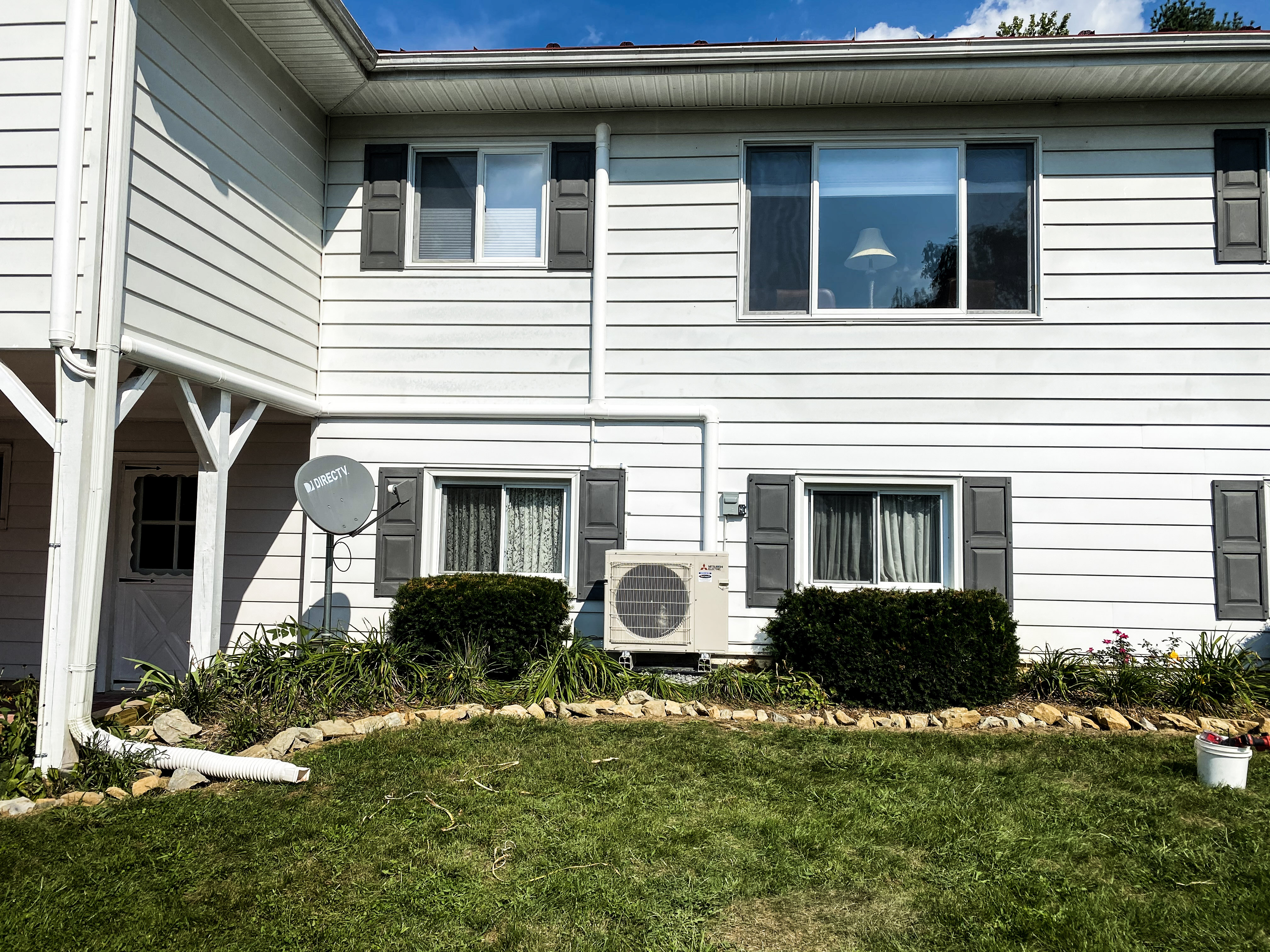
Mid‑Summer HVAC Check: What You Should Do Right Now
By late July, your HVAC system has already worked through weeks of hot temperatures, humidity, and changing weather. That makes mid‑summer the perfect time to stop and check how your system is performing before the hottest stretch of the season arrives. A few simple steps now can improve comfort, reduce energy waste, and help prevent an unexpected breakdown.
For homeowners in Winchester, VA, the Top of Virginia, and the West Virginia Panhandle, a mid‑summer HVAC check is especially helpful. Summer storms, high humidity, and repeated cooling cycles can all place extra stress on air conditioners, heat pumps, and ductless systems.
Quick Summary
A mid‑summer HVAC check should include replacing the air filter, inspecting the outdoor unit, checking thermostat settings, watching for signs of poor performance, and scheduling professional service if anything seems unusual. Homeowners should also pay attention to humidity, airflow, unusual noises, and energy bills. Taking action now can help your system operate more efficiently through the rest of summer.
1. Replace or Inspect Your Air Filter
Your air filter plays an important role in protecting your HVAC system and maintaining airflow. During summer, filters can become dirty faster because your system is running more often.
A restricted filter makes it harder for your system to move air. This can lead to longer run times, uneven temperatures, higher energy bills, and unnecessary wear on your equipment.
Check your filter now and replace it if it looks dirty. Many standard filters need to be changed every 30 to 60 days, though homes with pets, children, or allergy concerns may need more frequent replacement.
2. Check Your Thermostat Settings
Mid‑summer is a good time to review your thermostat settings and daily schedule. Keeping your home excessively cool can cause your system to run longer than necessary and increase energy consumption.
For many homeowners, a setting around 76–78°F while home offers a good balance between comfort and efficiency. When leaving for several hours, you may be able to raise the temperature a few degrees without turning the system off completely.
If you are still adjusting your thermostat manually, a smart thermostat may make it easier to manage your schedule. Smart thermostats can help you monitor your home remotely, adjust temperatures while traveling, and avoid unnecessary cooling.
3. Inspect the Outdoor AC or Heat Pump Unit
Your outdoor unit needs clear space to release heat and operate properly. Walk around the unit and look for leaves, grass clippings, branches, or other debris that may have collected after summer storms.
Keep the area around the unit clear and avoid placing furniture, garden equipment, or decorations too close to it. You should also check whether the unit appears level and whether the fan is operating normally.
If you see bent components, damaged wiring, standing water, or visible storm damage, turn the system off and contact a qualified HVAC professional.
4. Pay Attention to Airflow
Weak or uneven airflow is one of the most common signs that an HVAC system needs attention. Check the vents in each room to make sure they are open and not blocked by furniture, rugs, or curtains.
If one area of your home is consistently warmer than the rest, there may be an airflow issue, insulation problem, thermostat concern, or system sizing issue. In some spaces, a ductless Mitsubishi system can provide targeted comfort without requiring major changes to the rest of the home.
Ductless systems are especially useful for sunrooms, finished basements, additions, garages, and upstairs rooms that are difficult to keep comfortable.
5. Watch for Warning Signs
Your HVAC system may show signs of trouble before it stops working completely. Catching these warning signs early can help you avoid an emergency repair during the hottest part of summer.
- Warm air coming from the vents
- Unusual buzzing, rattling, grinding, or squealing sounds
- Frequent short cycling
- Ice forming on refrigerant lines or the outdoor unit
- Water pooling around the indoor equipment
- Strong or unusual odors
- Sudden increases in energy bills
If you notice any of these issues, it is best to have the system inspected before a minor problem becomes a major breakdown.
6. Check Indoor Humidity
Summer comfort is about more than temperature. High humidity can make your home feel warmer, encourage musty odors, and cause your AC system to work harder.
If your home feels damp even when the thermostat is set comfortably, your system may not be removing moisture effectively. A whole‑home dehumidifier can provide additional humidity control, especially in finished basements or homes that experience persistent moisture problems.
Keeping indoor humidity at a comfortable level may allow you to set your thermostat slightly higher without sacrificing comfort.
7. Schedule Mid‑Summer HVAC Service
If your system has not received maintenance this year, mid‑summer is not too late to schedule service. A professional tune‑up can identify issues that may otherwise lead to reduced performance or a breakdown.
During a service visit, a technician may inspect electrical connections, refrigerant levels, coils, safety controls, airflow, and system operation. Regular maintenance also helps your equipment run more efficiently and can extend its useful life.
Small Solutions Heating and Air Conditioning provides AC, heat pump, boiler, and ductless system service throughout the Top of Virginia and West Virginia Panhandle.
FAQ
Is July too late for an HVAC tune‑up?
No. A tune‑up at any point during summer can help identify problems, improve system performance, and reduce the chance of a breakdown during the remaining hot weather.
Why is my AC running constantly?
Long run times may be normal during extreme heat, but constant operation can also indicate a dirty filter, low refrigerant, poor airflow, insulation problems, or an aging system.
Should I turn off my AC when I leave home?
It is generally better to raise the temperature rather than shut the system off completely. This helps control humidity and prevents excessive heat buildup inside the home.
How often should I check my HVAC filter in summer?
Check it at least once a month during heavy cooling season. Replace it when it is visibly dirty or according to the manufacturer’s recommendation.
A mid‑summer HVAC check does not have to take long, but it can make a meaningful difference in comfort, efficiency, and reliability. Take a few minutes to inspect your system today, and do not ignore warning signs that could point to a developing problem.
Need help with a mid‑summer HVAC check? Contact Small Solutions Heating and Air Conditioning for dependable service throughout Winchester, VA and the surrounding communities.